Brake repair
Brake repair for North Shore drivers.
A new noise, vibration, warning light, or change in pedal feel is a good reason to call. R&C starts with what your car is doing, then helps you choose the right next step.
Start with the symptom
Brake concerns deserve a clear answer, not a guess.
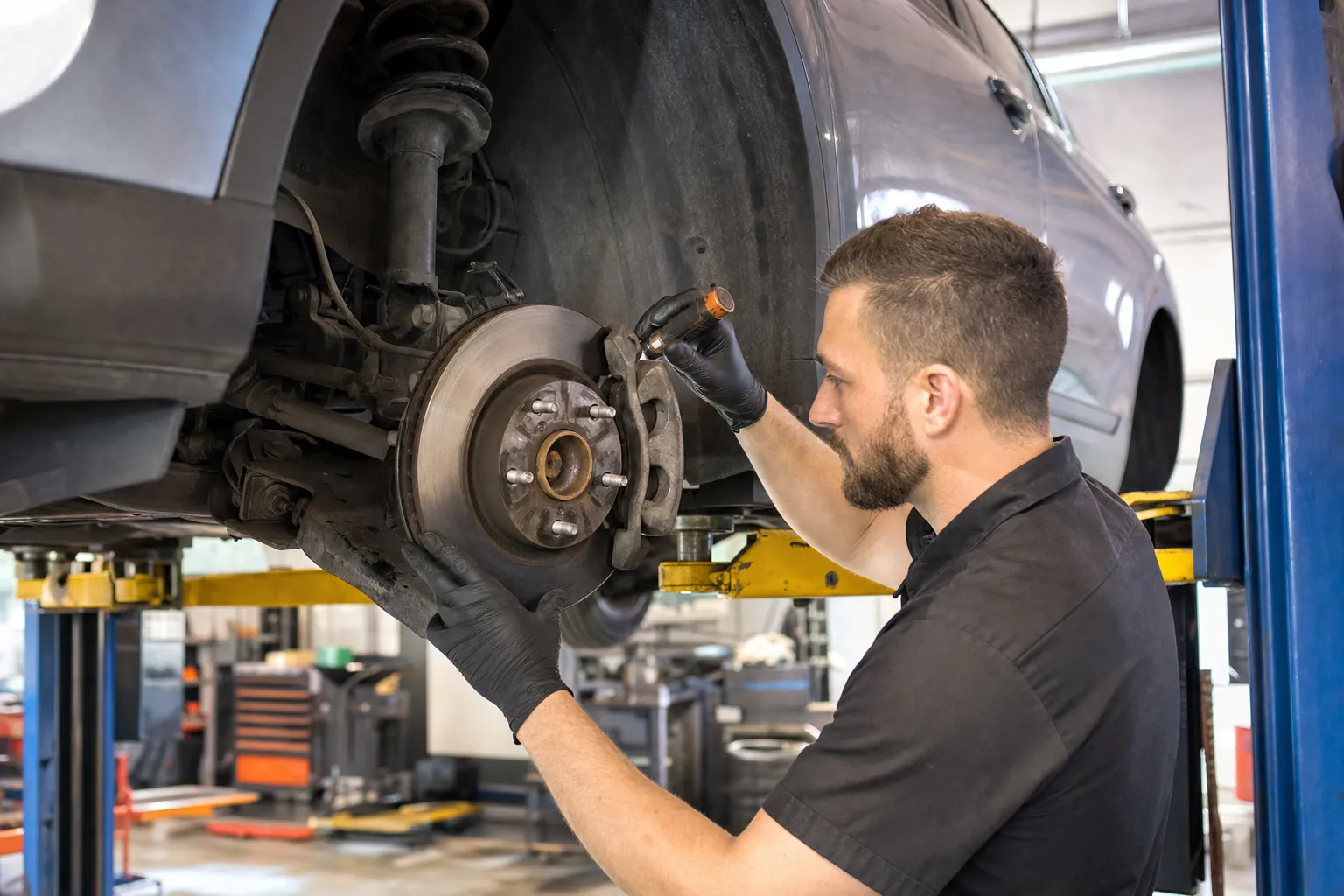
Brake parts, tires, wheels, steering, and suspension work together. The useful first step is to describe what changed and let the vehicle be inspected before deciding on a repair.
Drivers often know something feels different before they know the name of the part involved. Maybe the car makes a new squeal when slowing down. Maybe the pedal pulses under your foot, the steering wheel shakes on a highway exit, or the car seems to pull when you apply the brakes. Those details matter because they help the shop understand the concern without asking you to diagnose it yourself.
R&C Auto Services helps North Shore drivers sort out brake and handling concerns with a conversation first. Call the shop, explain what you notice, and share when it happens. From there, the team can help you decide whether the car should be seen promptly, whether it is safer to arrange assistance, and what information will be useful when the vehicle arrives.
When to call
Bring up the details you can feel or hear.
A brake issue is not always dramatic. A small, repeatable change can still be worth an inspection before it becomes a larger concern. Do not wait until you can name the repair. Tell the shop what the vehicle is doing in normal driving.
- A squeal, scraping, grinding, or other new sound while braking.
- A brake pedal that pulses, feels softer than usual, or needs more pressure.
- A steering-wheel shake, vehicle shudder, or pull that happens while slowing down.
- A brake, ABS, tire-pressure, or other dashboard warning light.
- A change after a pothole hit, collision, recent tire service, or previous brake work.
Some signs call for immediate caution. If the vehicle does not slow as expected, pulls sharply, produces smoke or a burning smell, has severe grinding, or the brake pedal suddenly sinks, stop driving when it is safe and arrange help. A phone call can help you decide how to proceed, but it should not replace a safety-minded response to a serious change.
A careful inspection
Find the reason for the symptom before choosing the work.
It is tempting to connect one feeling with one part. A vibration while braking, for example, can lead people to assume they already know the answer. A careful inspection looks beyond the assumption. Brake discs, pads, calipers, tire and wheel condition, wheel mounting, and related steering or suspension components can all affect how the car feels.
The inspection process starts with the concern you reported. The shop can look for visible wear, damage, uneven contact, and components that are not moving as they should. When the symptom points beyond the brake system, it may also make sense to check the condition of the tires, wheels, and front-end parts. That broader view helps avoid paying for a repair that does not address the real reason the car feels different.
Once the vehicle has been checked, ask what was found, why it connects to the symptom, and what should feel different after the work is complete. Clear answers make it easier to decide what needs attention now and what should simply be watched over time.
Before you call
Give the shop a useful starting point.
Share the year, make, and model of your vehicle, then describe when the concern appears. Is it only while braking, or also when cruising, turning, or accelerating? Does it change with speed, after a longer drive, or when you brake more firmly?
Note where you feel it: the brake pedal, steering wheel, seat, floor, or the whole vehicle. Mention any recent tire work, impact, collision, warning light, or repair history that may provide context. You do not need a perfect description. A few specific observations help the team begin with the right questions.
Call (781) 718-9611Making the repair decision
Understand the recommendation before work begins.
A brake inspection should leave you with a clearer picture of what the vehicle needs, why it needs it, and what the next step is meant to address.
When a car arrives with a brake concern, the first goal is to connect the driver's experience with what is actually found on the vehicle. A sound, vibration, pull, or pedal change can be a useful clue, but it is not a parts list. The vehicle may need a straightforward brake repair, or the inspection may point to a tire, wheel, steering, or suspension condition that needs to be considered alongside the brakes.
Ask the shop to explain the finding in plain language. What has changed? Is it related to the symptom you reported? Is there a safety reason to avoid driving, or can the repair be planned? Are there related items that need attention now, and are there others that can be monitored? These are sensible questions, especially when the vehicle has more than one issue competing for attention.
R&C's approach starts with a direct conversation so you are not pushed into guessing from a dashboard light, a noise, or advice from a search result. Once the vehicle has been inspected, you can make a decision with the condition of your own car in front of you. That is a better basis for brake repair than assuming every shake or squeal has the same cause.
More than one system
Brake repair can begin with a road-feel concern.
A car that pulls, shakes, or feels unsettled when stopping may need attention in more than one area. The goal is to understand the whole picture before selecting a repair.
Braking shifts the vehicle's weight, especially toward the front. That can make a concern in the brakes, tires, wheels, steering, or suspension more noticeable as you slow down. It does not mean every vibration is a brake problem, and it does not mean a brake concern should be ignored because the tires look fine. The vehicle needs to be checked based on the actual symptom.
If the car has been in a collision, hit a pothole, developed uneven tire wear, or started handling differently, say so when you call. R&C also handles mechanical service, tires, and alignment concerns, so the conversation can begin with the way the vehicle feels rather than a guess about which service label applies.
For drivers who are noticing a vibration only while braking, the shop's guide to car shaking when braking explains the details that are useful to notice before an inspection. It is a helpful place to start, but it is not a substitute for having a new or worsening concern checked in person.
Frequently asked questions
Common questions about brake repair.
When should I call about a brake problem?
Call as soon as you notice a new change in how the car slows, sounds, or feels. If the pedal feels soft, the vehicle pulls hard, a warning light appears, you smell burning, hear severe grinding, or the car does not stop as expected, do not continue driving. Arrange help instead.
Can you tell what brake repair I need over the phone?
A phone call is the right place to describe the symptom and decide on the next step, but a brake concern needs an in-person inspection before a repair recommendation can be made. The same noise or vibration can come from more than one part of the vehicle.
What should I tell the shop before a brake inspection?
Share the year, make, and model, then describe when the concern happens, where you feel it, and whether the car pulls, shakes, makes a noise, or shows a warning light. Recent tire work, a pothole impact, a collision, or previous brake work can also be useful context.
Do brakes and tires affect each other?
They can affect how the vehicle feels, especially when braking moves weight toward the front wheels. Tire condition, wheel mounting, steering, suspension, and brake components may all be relevant when a driver reports a vibration, pull, or uneven road feel.
Talk to the shop