Engine diagnostics
Engine diagnostic service for North Shore drivers.
A warning light, rough idle, hard start, new noise, or change in power is a reason to call. R&C starts with what the vehicle is doing, then helps you choose the right next step.
Start with the change
Good diagnostics begin with the way your car is behaving.
A dashboard light is useful, but the details around it help turn a vague concern into a focused inspection.
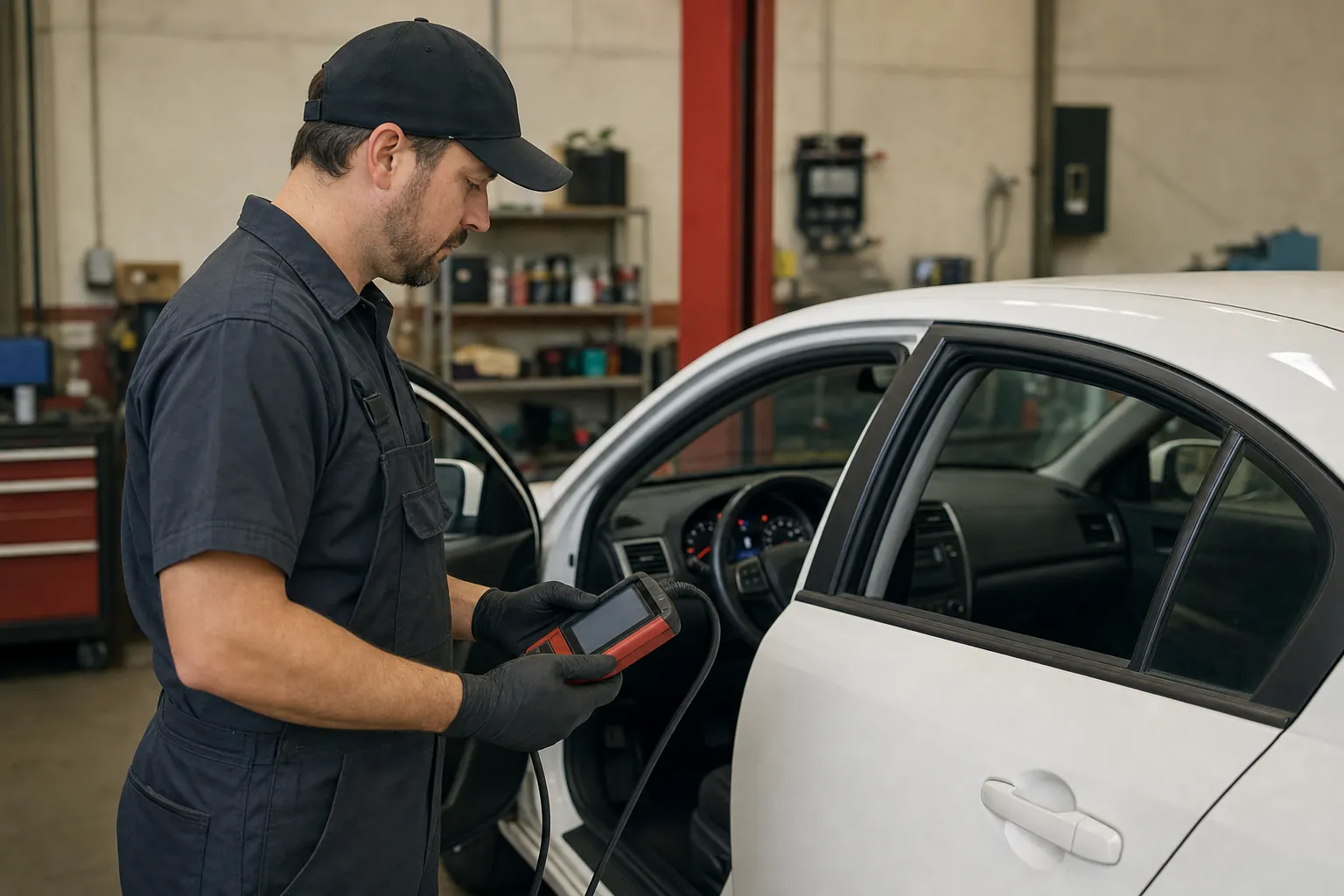
Most drivers do not need to know the name of the part before they call. They notice that the car takes longer to start, idles differently at a stoplight, feels weak when it accelerates, uses more fuel than usual, or has a warning light that was not there yesterday. Those are useful observations. They give the shop a starting point without asking you to interpret the vehicle on your own.
R&C Auto Services helps North Shore drivers sort through warning lights and running concerns with a conversation first. Tell the team what changed, when you notice it, and whether the vehicle still feels safe and predictable to drive. From there, the shop can help you decide how soon the vehicle should be seen and what information will be useful when it arrives.
That approach is especially useful when a concern is intermittent. A light that comes and goes, a hesitation that appears after the engine is warm, or a noise that only happens on a cold start may not be easy to reproduce on command. The more clearly you can describe the pattern, the better the inspection can begin.
When to call
A light is one clue. The way the vehicle feels matters too.
Some engine-related concerns are noticeable before a dashboard light appears. Others begin with a light but no obvious difference in the way the vehicle drives. Both are worth a conversation, particularly when the change is new, repeatable, or getting worse.
- A check-engine light, service message, or other new warning light.
- Hard starting, stalling, rough idle, or an engine that takes longer to settle down.
- Hesitation, a loss of power, uneven acceleration, or a noticeable drop in fuel economy.
- A new engine noise, unusual exhaust smell, vibration, or a change in the way the vehicle runs.
- A concern that followed a repair, a long trip, a weather change, or a period when the car sat unused.
Some changes deserve immediate caution. If a warning light flashes, the engine shakes severely, the vehicle loses power in traffic, you smell fuel or burning, see smoke, or the gauges show an overheating condition, stop driving when it is safe and arrange help. A call can help with next steps, but it should not replace a safety-minded response to a serious change.
A useful inspection
Find the condition behind the message before choosing the repair.
A warning light is often treated like a repair instruction. It is not. The same alert can be connected to more than one issue, and a drivability concern may involve the engine, fuel and air systems, ignition components, sensors, wiring, charging system, or another related area. The job of a diagnostic visit is to narrow the possibilities based on the vehicle in front of the technician.
The process begins with the concern you reported. A technician can review the vehicle information available through diagnostic equipment, look for visible issues, and compare what is found with the way the engine is running. Depending on the symptom, the inspection may involve checking related mechanical or electrical systems instead of treating one stored message as the whole answer.
That broader view helps protect you from paying for a repair that does not solve the reason you called. It also makes the recommendation easier to understand. After the vehicle is checked, ask what was found, how it connects to the symptom, and whether the condition needs attention now or can be monitored.
Before you call
Give the shop the details that make the pattern clearer.
Share the year, make, and model of the vehicle. Then describe when the issue happens: only at startup, after the engine warms up, while accelerating, at idle, on the highway, or after the car has been parked for a while. Mention whether the warning light is steady or flashing, and whether it stays on all the time.
It also helps to mention a fuel smell, noise, vibration, loss of power, hard starting, recent repair, low battery, overheating, or a dashboard message. You do not need to diagnose the cause. A few clear observations give the team a better place to begin than a guessed repair name.
Call (781) 718-9611Making the decision
Get a clearer answer before approving work.
The point of diagnostics is not simply to read a message. It is to connect the concern, the inspection, and the repair decision.
Once the vehicle has been checked, the next conversation should be practical. What condition was found? Does it explain the warning light or the way the car is running? Does the vehicle need to stay parked, need prompt repair, or have something that can be planned? When more than one item is present, ask which one is most closely connected to the current concern.
A good explanation also separates what is known from what still needs confirmation. Some concerns have an obvious cause once the vehicle is inspected. Others need a second step because the symptom points to a system rather than one visible part. Knowing that difference gives you a more honest basis for deciding what to do.
R&C's approach starts with the actual behavior of your car, not a guess based on a warning light alone. That is useful whether the repair is straightforward or the inspection points toward a related mechanical or electrical condition. You should leave the conversation knowing what was found, what the recommendation is intended to address, and what question to ask next.
More than the engine
A running concern can involve several connected systems.
The same vehicle may need a closer look at more than one area before the right repair path is clear.
The engine does not work in isolation. A concern that feels like a running problem can be influenced by the battery and charging system, air and fuel delivery, ignition, sensors, wiring, cooling, or other mechanical components. That does not mean every diagnostic visit becomes a large repair. It means the inspection needs to follow the condition that is actually present.
For example, a hard start may have a different starting point than a warning light that appears only during highway driving. A rough idle may need a different path from a no-start condition. The right next step is based on the pattern, the vehicle's condition, and what the inspection finds, not on a one-size-fits-all list of parts.
R&C also handles mechanical service, battery concerns, tires, and alignment, so the conversation can begin with what the vehicle is doing rather than a guess about which service category fits. If the concern is a new vibration while braking, the shop's brake repair page explains the details that are useful to notice before an inspection.
Frequently asked questions
Common questions about engine diagnostics.
What does an engine diagnostic service involve?
The visit starts with the vehicle concern, its warning lights, and the conditions where it happens. A technician can use the vehicle information, visible checks, and diagnostic equipment to narrow down what needs closer attention before recommending a repair.
Can a warning light tell me exactly what needs to be repaired?
A warning light can point the inspection in a useful direction, but it does not confirm a repair by itself. More than one condition can trigger the same warning, so the vehicle needs to be checked before a parts recommendation is made.
Is it safe to drive with the check-engine light on?
A steady check-engine light can mean different things on different vehicles, while a flashing light or a major change in how the vehicle runs calls for more caution. Call R&C with the vehicle details and symptoms so the team can help you decide on the next step.
What should I tell the shop before a diagnostic appointment?
Share the year, make, and model, the warning lights you see, and what the vehicle is doing. It helps to mention whether the concern began suddenly, happens at certain speeds, follows a repair, or comes with a noise, smell, vibration, hard start, or loss of power.
Talk to the shop